-
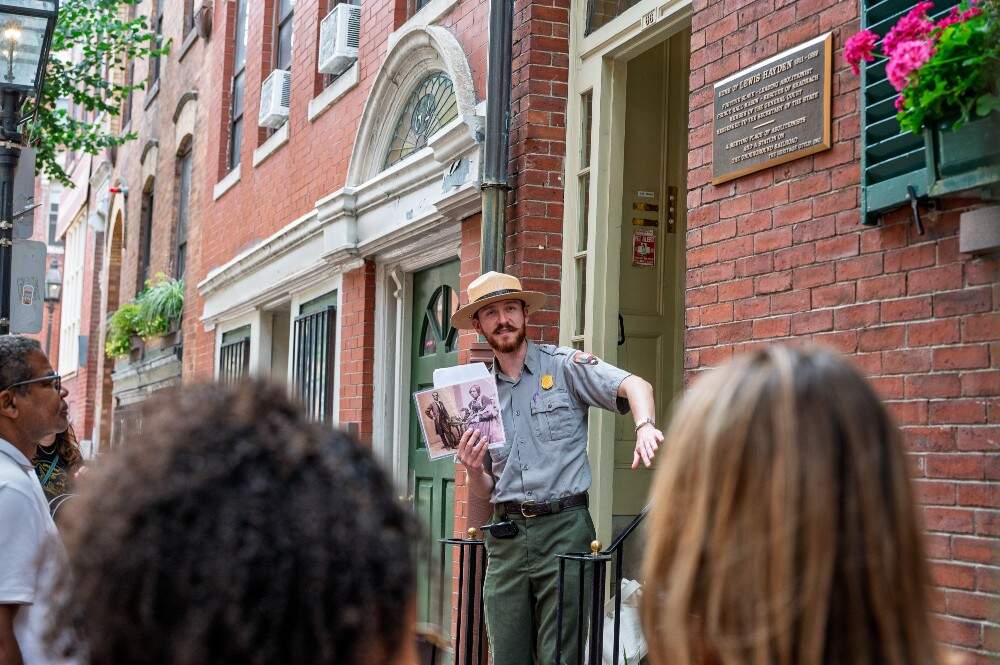
The public fury resulting from the U.S. government’s enforcement of the Fugitive Slave Act of 1850 and the Trump administration’s immigration policies today are remarkably similar, writes Nick DeLuca.
-

USCIS cancellation of naturalization ceremonies for new American citizens at Faneuil Hall caused such heated pushback because it ignored the history of American citizenship and Faneuil Hall.
-
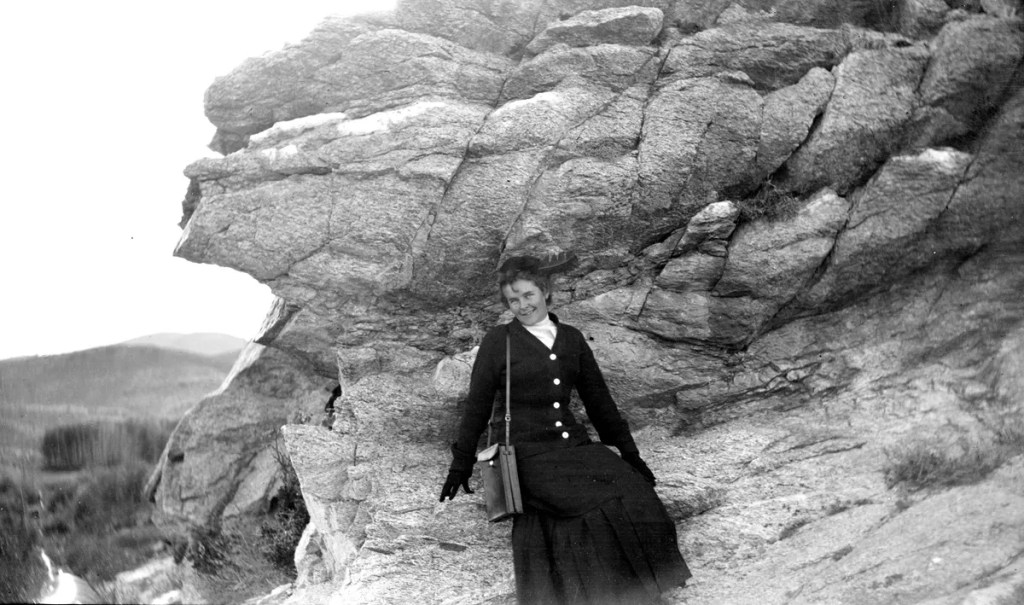
One of Nichols’s favorite sayings was, “All that holds Wyoming together is baling wire and capable women.”
-
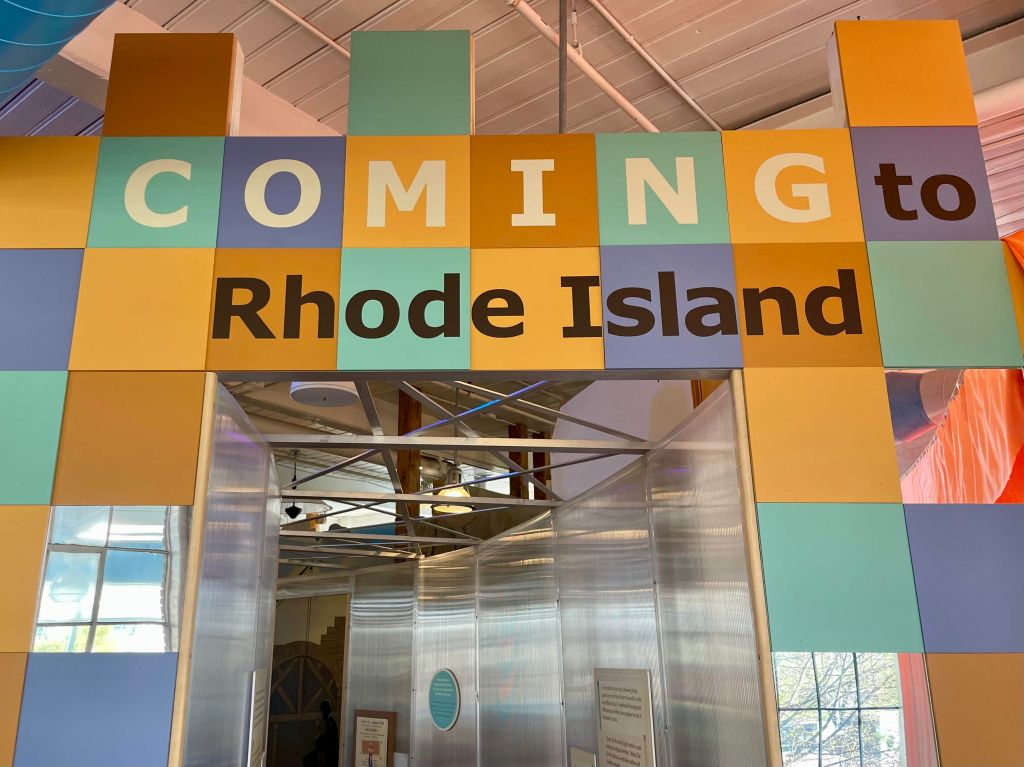
It’s a complex dynamic that poses a number of challenges and questions about who lived here, when they lived here, what happens when different cultural identities collide, and whose story ultimately gets told.
-
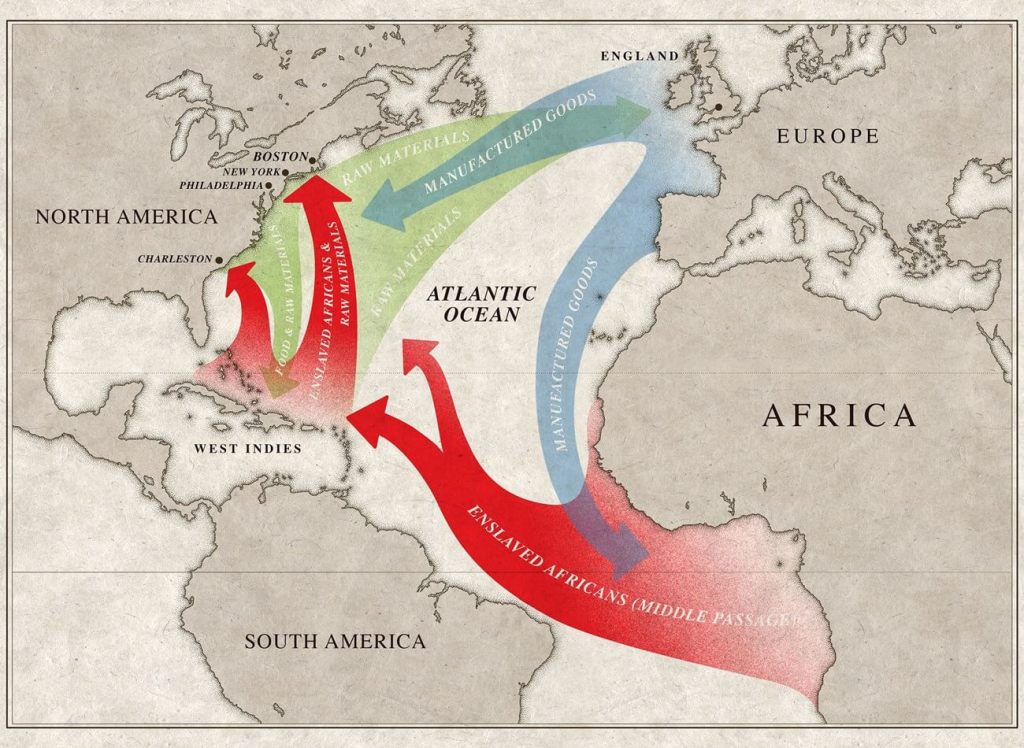
The West Florida Expedition was an attempt by New Englanders to expand the institution of slavery into the Mississippi Delta and to build wealth on the backs of enslaved people.
-

All history is dyed in the color of the present moment.
-

Phineas Lyman’s efforts on behalf of the Company of Military Adventurers were so exhaustive that even Benjamin Franklin took notice.
-

The Proclamation of 1763 outlined West Florida on paper. Who it was that actually occupied the land, though, was a different matter.
-

This is the story of a group of New Englanders who sought their fortune in the West and lost it all along the way.
-

I’ve been thinking to myself after another season at the National Parks of Boston: if it comes to it, what should we rename Faneuil Hall?
-

At one particular stop on my Freedom Trail tour, I observe that each generation has had to fight for their rights and freedoms from the earliest colonial days to the present.
-

Just as important as what maps show is what they don’t show. Any time we look at a map, we see a landscape as filtered through the mapmaker’s judgements, prejudices, and cultural context.
-
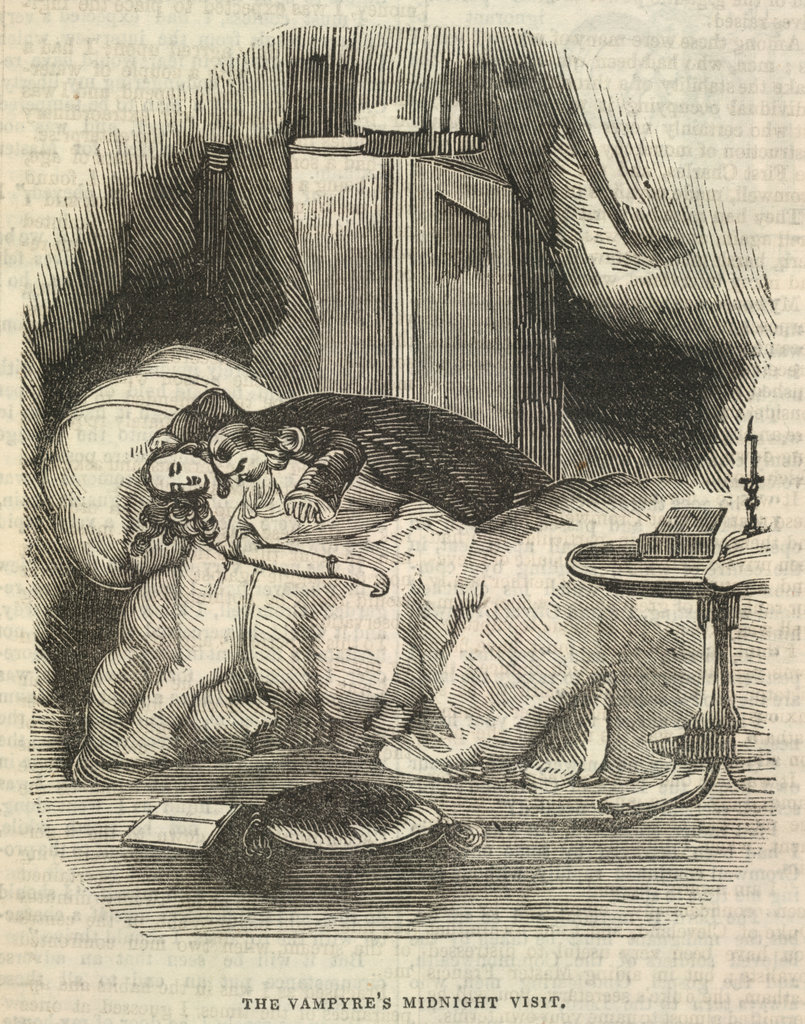
The Boston Evening-Post that day ran a curious front-page story titled “The surprising account of those spectres called vampyres.” That’s right. Vampires.
-
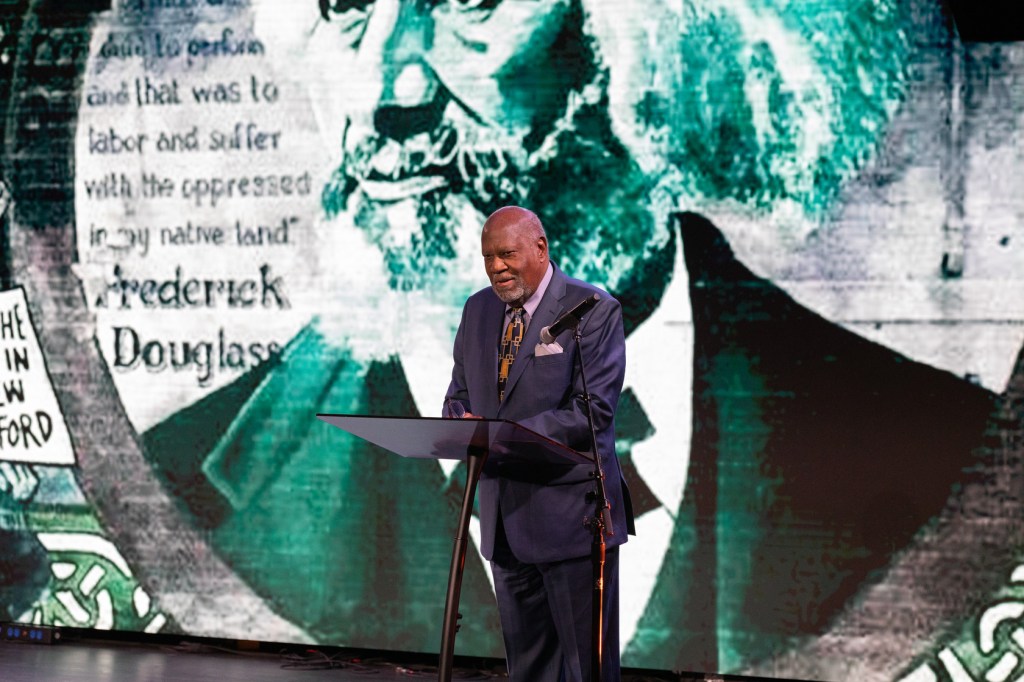
This is the final installment in a multi-part series exploring the youth and adolescence of Robert Stanton, former Director of the National Park Service and the first director of color, and how the context of his early years informed his tenure atop the NPS.
-
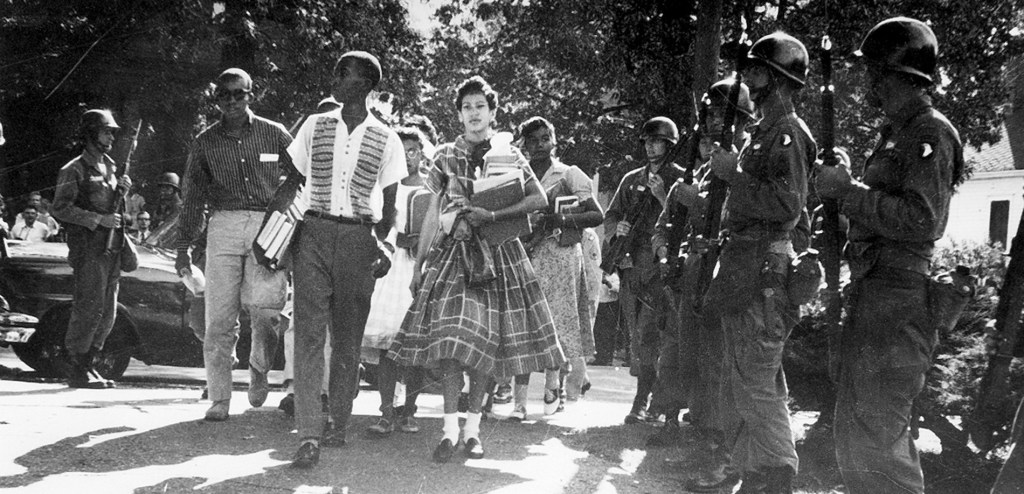
This is part IV in a multi-part series exploring the youth and adolescence of Robert Stanton, former Director of the National Park Service and the first director of color, and how the context of his early years informed his tenue atop the NPS.
-
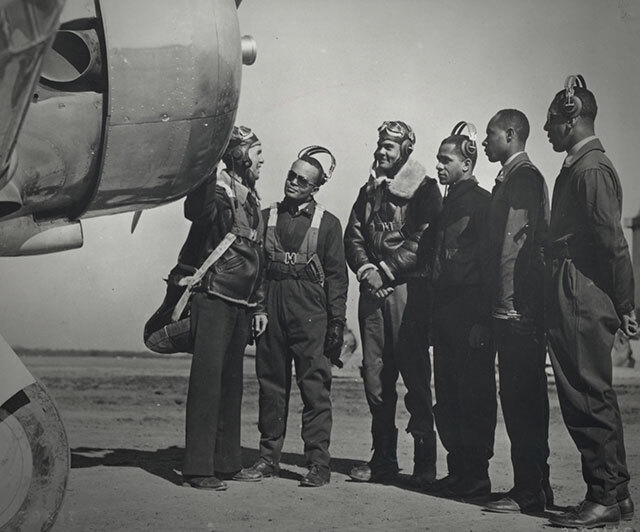
This is part III in a multi-part series exploring the youth and adolescence of Robert Stanton, former Director of the National Park Service and the first director of color, and how the context of his early years informed his tenure atop the NPS.
-

This is part II in a multi-part series exploring the youth and adolescence of Robert Stanton, former Director of the National Park Service and the first director of color, and how the context of his early years informed his tenure atop the NPS.
-
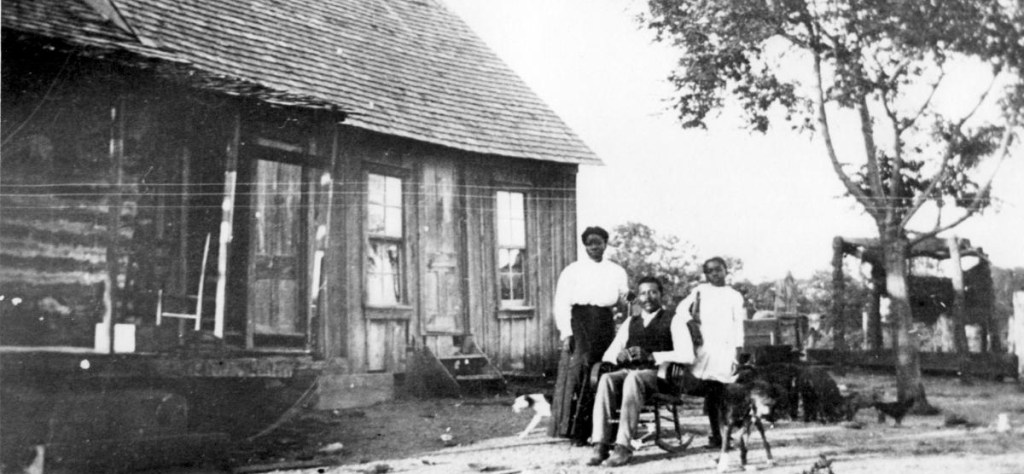
This is part I in a multi-part series exploring the youth and adolescence of Robert Stanton, former Director of the National Park Service and the first director of color, and how the context of his early years informed his tenure atop the NPS.
-
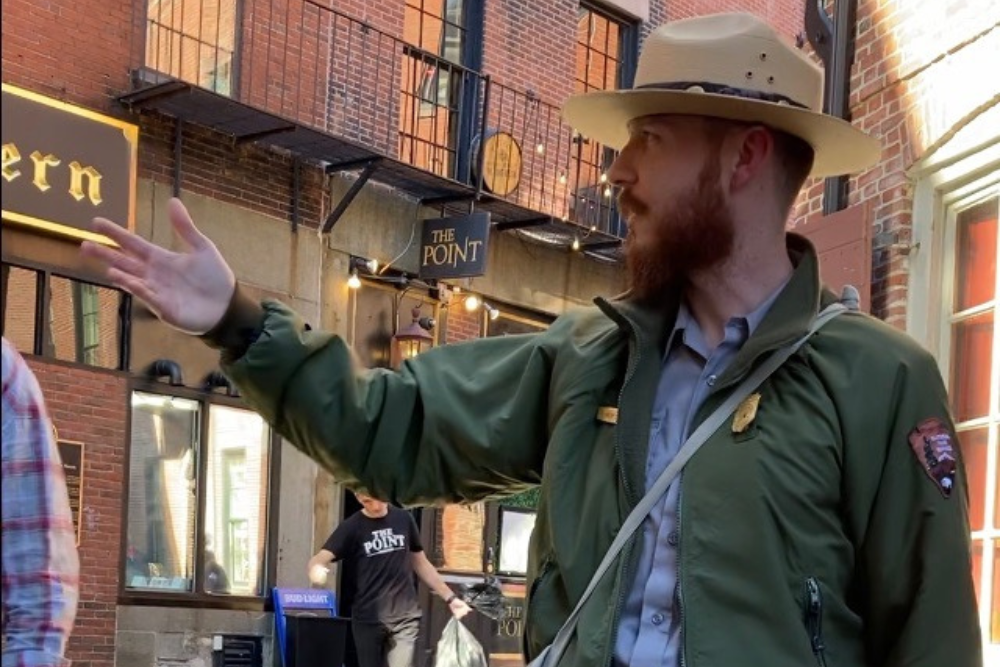
I’ve been thinking recently about how to revive this blog and make better use of it. I’d like to focus on historical exploration and analysis and, when possible, localize my subjects and comment on broader national trends.
-
Subscribe
Subscribed
Already have a WordPress.com account? Log in now.
 The Sketch Book of Nick DeLuca