Place
-
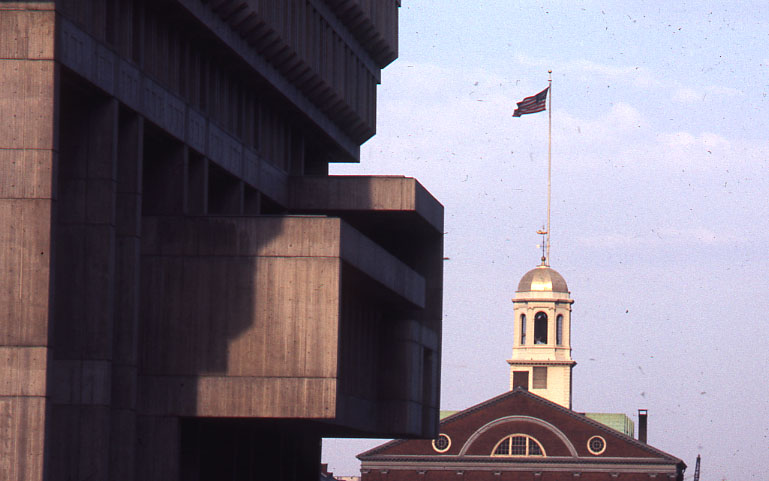
Barney Frank’s funeral offers us an opportunity to examine this history and better understand the nuances of the building’s past. How and where we honor our dead tells us much about who and what we value in the present moment.
-
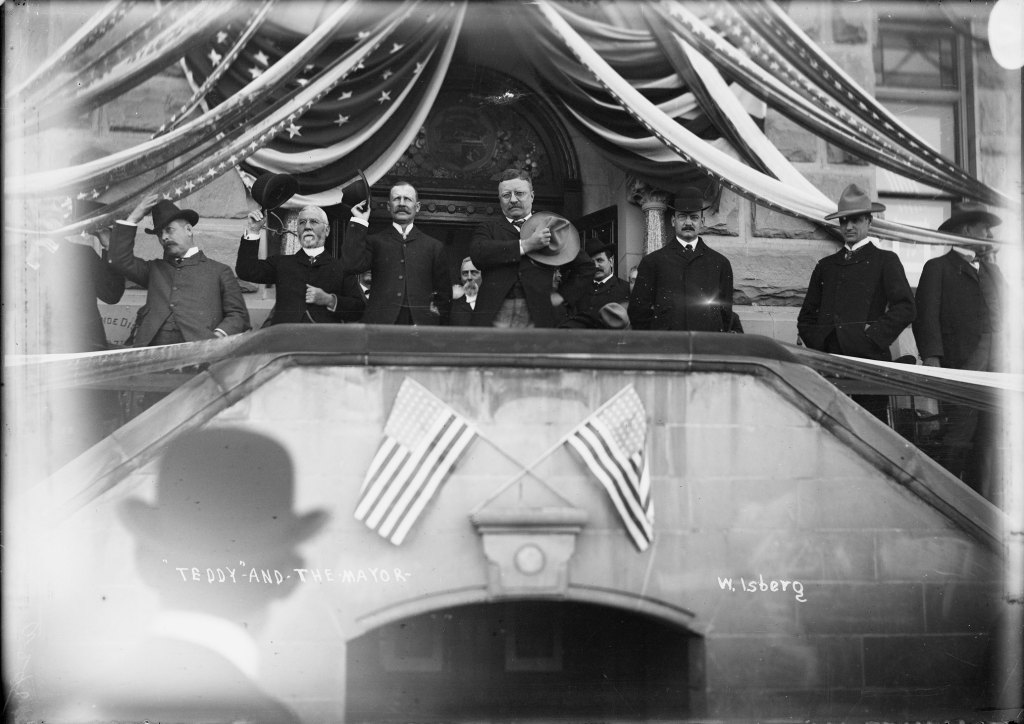
Theodore Roosevelt called his time in the West his “post-graduate course.” In 1903, he visited the University of Wyoming and told students they owed their state “the service of a good citizen.” What would he make of the legislature’s attempt to gut UW’s budget by $60 million?
-
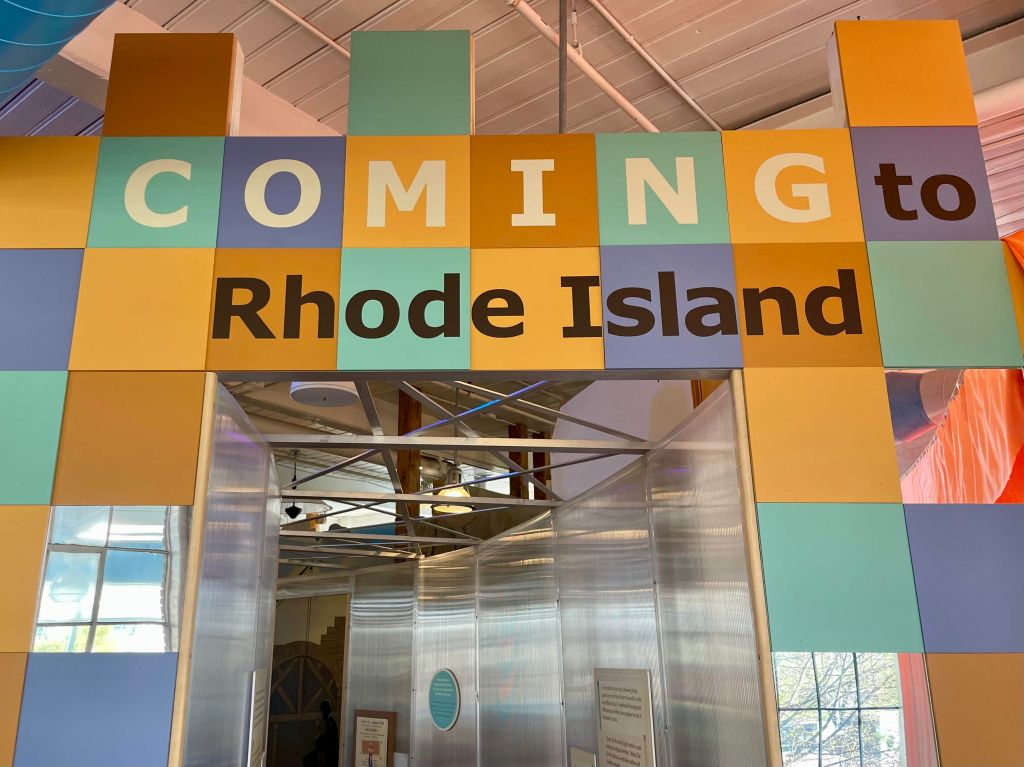
It’s a complex dynamic that poses a number of challenges and questions about who lived here, when they lived here, what happens when different cultural identities collide, and whose story ultimately gets told.
-
All history is dyed in the color of the present moment.
-

Phineas Lyman’s efforts on behalf of the Company of Military Adventurers were so exhaustive that even Benjamin Franklin took notice.
-

The Proclamation of 1763 outlined West Florida on paper. Who it was that actually occupied the land, though, was a different matter.
-

This is the story of a group of New Englanders who sought their fortune in the West and lost it all along the way.
-

Just as important as what maps show is what they don’t show. Any time we look at a map, we see a landscape as filtered through the mapmaker’s judgements, prejudices, and cultural context.
-
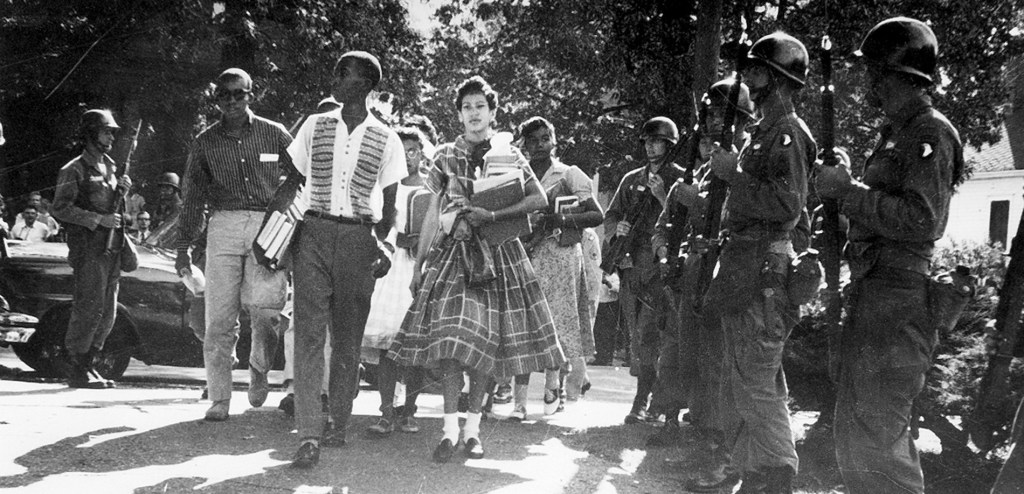
This is part IV in a multi-part series exploring the youth and adolescence of Robert Stanton, former Director of the National Park Service and the first director of color, and how the context of his early years informed his tenue atop the NPS.
-
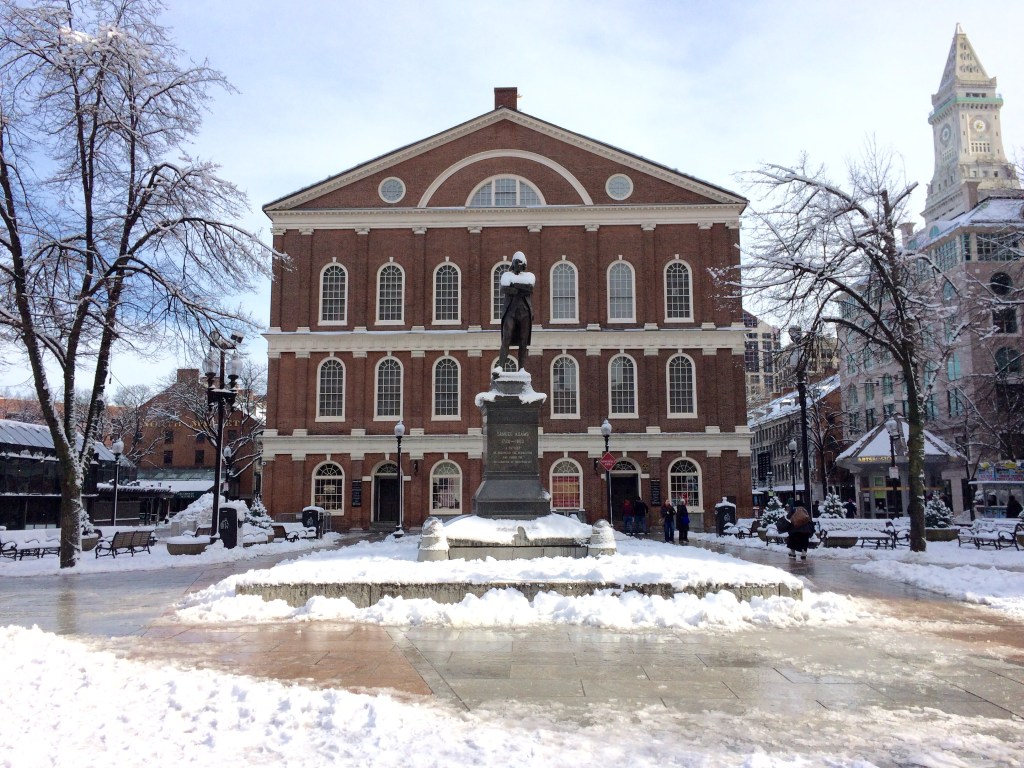
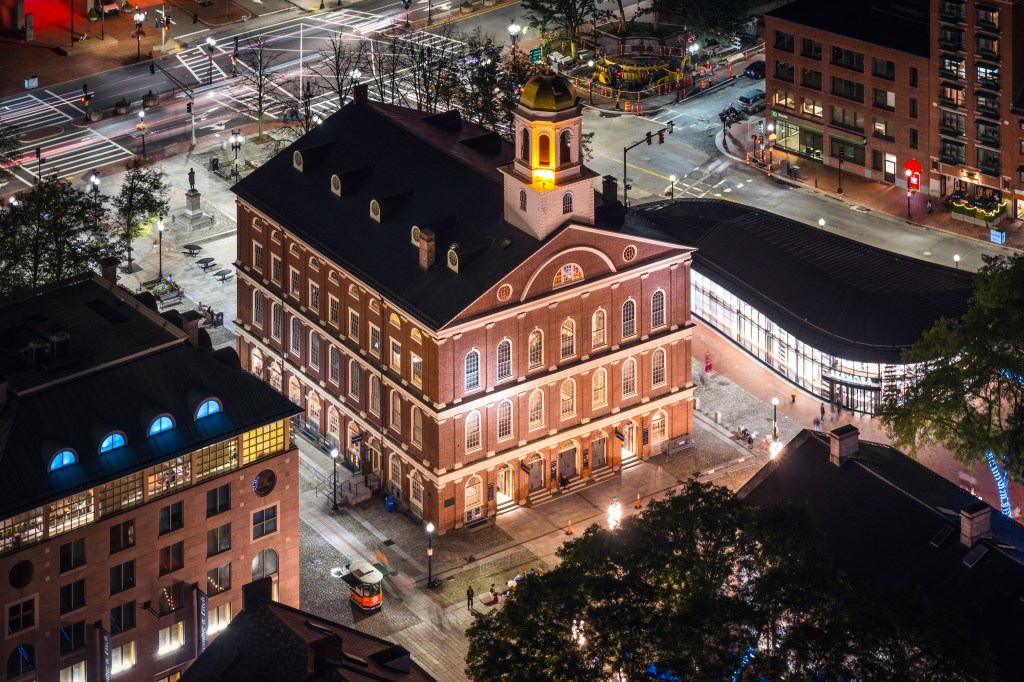
A place-based approach to the debate to rename Faneuil Hall in Boston, a popular historic site part of Boston National Historical Park, National Parks of Boston.

